
The Best Coinbase Commerce WooCommerce Alternative: Unlocking Strict Self-Custody & Automated Payouts
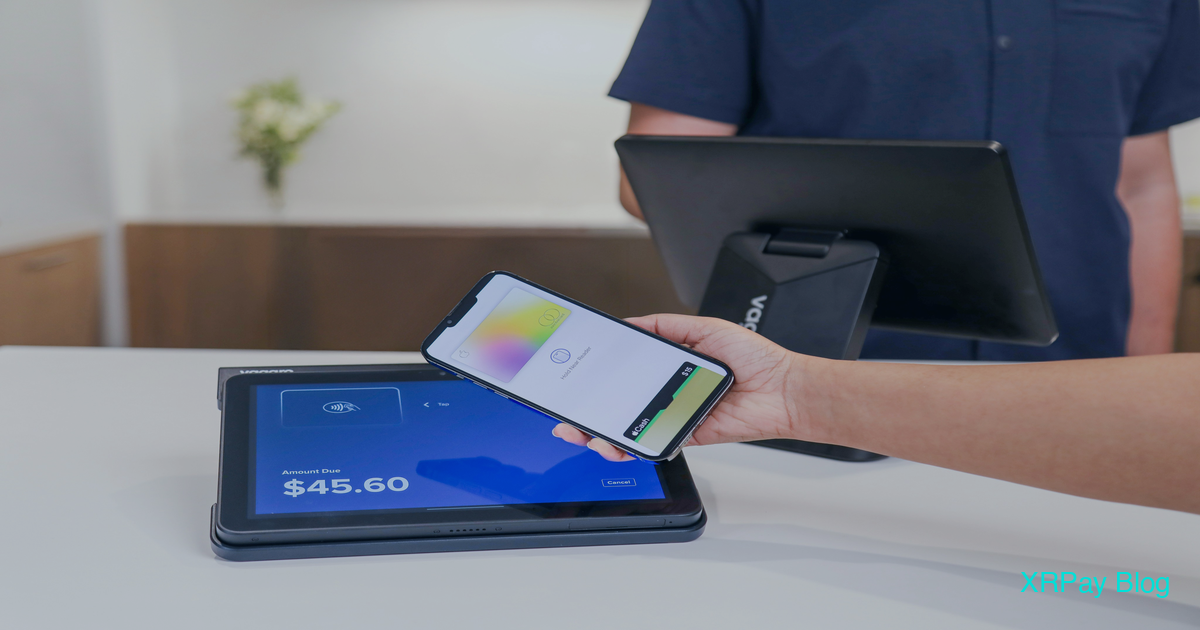
WooCommerce storefronts rely on flexibility and control. Unlike closed SaaS builders, self-hosted WordPress stores give merchants complete authority over their code, databases, and customer data. Yet, when it comes to accepting crypto payments, many WooCommerce merchants are still trapped in centralized, custodial loops.
Following Coinbase's deprecation of legacy self-custodial options in favor of its centralized Coinbase Business suite, merchants outside the US and Singapore are cut off, while those remaining face corporate KYB checks, risk filters, and the constant threat of frozen funds.
A true Coinbase Commerce WooCommerce alternative should not force you to hand over your customer flow to a third-party wallet hub. It must combine strict self-custodial on-chain checkout with automated global bank sweeps.
Here is a technical analysis of how XRPay replaces Coinbase Commerce on WooCommerce, keeping checkout friction low, settlements fast, and assets directly under your control.
1. Why WooCommerce Merchants are Fleeing Coinbase Commerce
The shift from the original Coinbase Commerce product to the custodial Coinbase Business suite broke the core value proposition for self-hosted e-commerce:
- Loss of Self-Custody: Transaction proceeds now settle into Coinbase's centralized ledger instead of your own hardware wallet or private address. If their automated risk system flags your business model, your balances can be locked instantly.
- Strict Geographic Limits: Coinbase Business restricts merchant accounts strictly to the United States and Singapore. European, Latin American, and Asian WooCommerce stores are entirely excluded.
- Disrupted Buyer Flow: Buyers are forced to interact with the Coinbase login portal, creating friction that leads to cart abandonment at the critical point of purchase.
2. The XRPay Advantage: Strict Self-Custodial WooCommerce Checkout
XRPay operates as a non-custodial middleware protocol. It sits between your WooCommerce database and the XRP Ledger (XRPL). Rather than funneling merchant revenue through a central compliance pool, XRPay facilitates a peer-to-peer transaction directly from the customer's wallet to your corporate address.
Non-Custodial Architecture Features:
- Zero Key Custody: XRPay never generates or manages private keys. You retain full control of your wallet (e.g., via Xaman or hardware ledgers).
- Global Access: Operates in 180+ countries with no regional onboarding barriers.
- Native UI Checkout: Keeps the buyer directly on your WooCommerce domain. No off-site redirects or intrusive widget logins.
3. Speed & Cost: Solving Checkout Friction
Legacy blockchains like Bitcoin and Ethereum are poorly suited for high-volume WooCommerce checkouts. Network congestion results in:
- Gas Spikes: Ethereum gas fees can spike to $20-$50 during high traffic, pricing out mid-market and small retail purchases.
- Confirmation Latency: Waiting 10 to 30 minutes for a block confirmation leaves WooCommerce carts in a pending state, confusing buyers and increasing customer support tickets.
XRPay leverages the high-performance capabilities of the XRP Ledger, delivering 3 to 5 second settlement finality with transaction fees of less than $0.0002. The checkout is as swift as card networks, but with zero chargeback risk.
4. Under the Hood: Automated Multi-Asset Swaps & Bank Sweeps
A common objection to self-custodial setups is the manual accounting overhead: managing private wallets, executing manual exchange swaps, and off-ramping to fiat bank accounts. XRPay solves this by automating the backend orchestration.
XRPay does not restrict you to collecting a single cryptocurrency. It manages a multi-currency payment pipeline directly on-chain:
The Technical Pipeline:
- Trustline Pre-Check: For stablecoins like RLUSD or USDC, the system queries the ledger to ensure the merchant's destination address has an established trustline. If missing, it prompts trustline setup, preventing failed transactions.
- ChangeNOW Conversion: If the customer pays in an external asset (e.g. BTC, ETH, SOL), XRPay leverages the ChangeNOW API to request a real-time exchange rate estimate, create the swap session, and route the incoming funds directly into the merchant's stablecoin address.
- Bridge.app Fiat Sweep: Once the stablecoins land on-chain, XRPay uses Bridge.app API endpoints to automatically sweep the funds into linked bank accounts. This supports domestic rails like US ACH, EU SEPA, UK Faster Payments, Brazilian Pix, and Mexican SPEI.
Your customer pays with digital assets, while your finance team receives stable fiat settled directly to your corporate bank account.
5. Comparison: Coinbase Commerce vs. XRPay for WooCommerce
| Feature | Coinbase Commerce (Business) | XRPay Gateway |
|---|---|---|
| Custody Model | Custodial (Held by Coinbase) | 100% Non-Custodial (Self-custody) |
| WooCommerce Integration | External hosted widget only | Native UI & API integrations |
| Transaction Fee | 1.0% + hidden conversion spreads | 0.5% Flat (or 0% JIT-LP yield split) |
| Settlement Speed | 10 - 60+ minutes (based on block times) | 3 - 5 seconds (instant ledger consensus) |
| Geographic Coverage | US and Singapore Only | Global (180+ countries supported) |
| Automated Off-Ramps | Manual CEX withdrawals required | Auto-sweeps to ACH, SEPA, and Pix |
Regain Control of Your WooCommerce Storefront
Your WooCommerce storefront should not be subject to centralized payment freezes, account suspensions, or restrictive regional policies. By implementing a non-custodial crypto payment gateway, you protect your cash flow and keep transactions peer-to-peer.
XRPay integrates directly into your WooCommerce checkout, working alongside your traditional card processors. Zero rolling reserves, zero chargebacks, and flat 0.5% transaction billing.