
XRPay vs. BVNK: Non-Custodial Routing vs. Custodial Stablecoin Processing
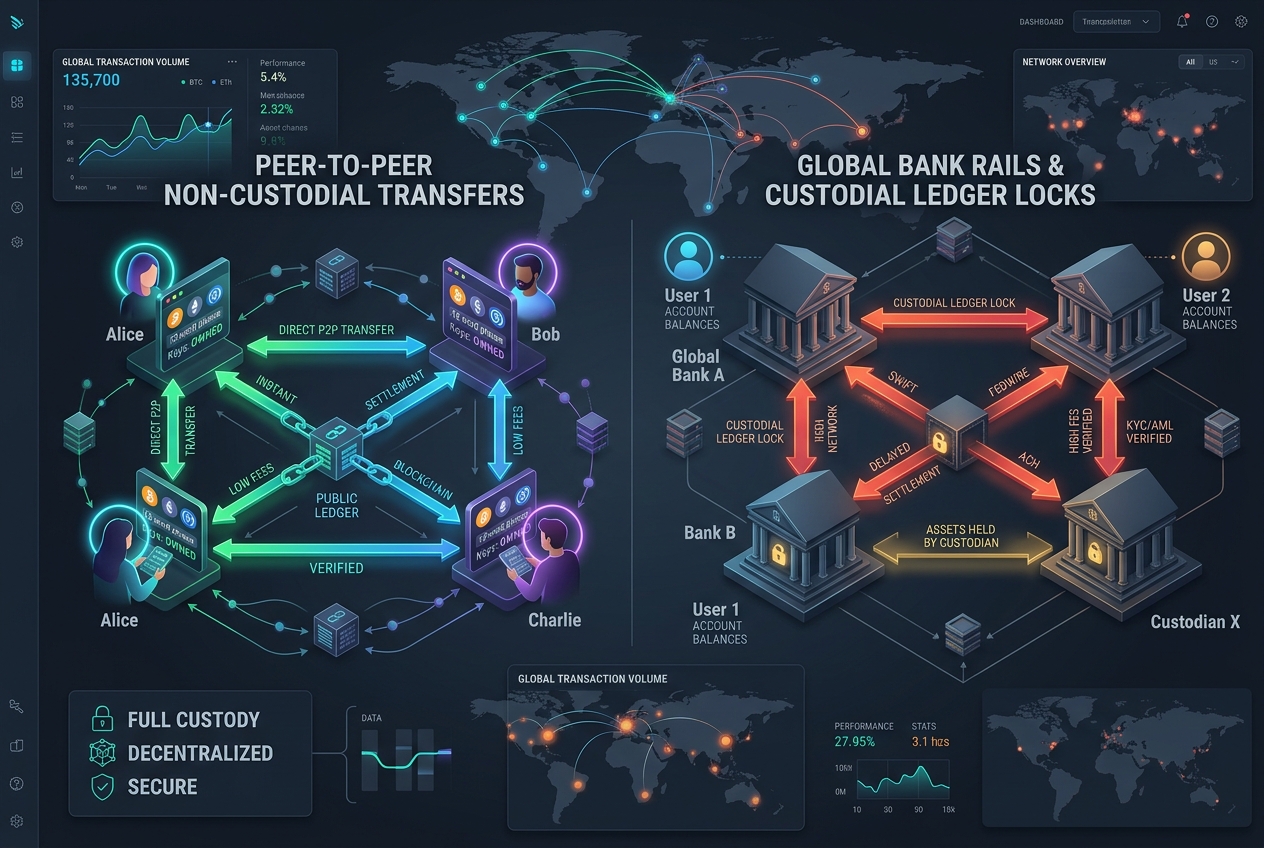
For corporate treasury and global enterprise merchants, stablecoins have evolved from a novelty into a critical settlement rail. They eliminate the high fees and settlement delays of international wire transfers and SWIFT rails.
When choosing a stablecoin payment processor, two models emerge: custodial processing and non-custodial routing. In this comparison, we analyze XRPay (a non-custodial gateway) and BVNK (a prominent custodial merchant processor).
The choice between custodial clearing and non-custodial routing decides whether your enterprise controls its private keys or hands that power to a third-party gatekeeper.
1. The Architectural Divide: Custodial vs. Non-Custodial
The most fundamental difference between BVNK and XRPay lies in where your funds sit during the transaction lifecycle:
BVNK: Custodial Settlement and Clearing
BVNK operates on a custodial banking model. When a buyer pays, the stablecoins are routed to wallet addresses owned and cleared by BVNK.
- Central Clearing Pool: Your revenue is aggregated in BVNK's ledger.
- Compliance Control: Because BVNK holds custody of the funds, they act as a financial gatekeeper. If a transaction triggers their automated transaction monitoring filters, BVNK is legally obligated to freeze the funds in their custody pending verification.
- Counterparty Risk: Since your funds are held by BVNK before payout, your business is exposed to their counterparty and liquidity risk.
XRPay: Direct Non-Custodial Routing
XRPay operates as a peer-to-peer routing protocol. XRPay never touches, holds, or clears your assets.
- Direct-to-Wallet: When a buyer pays, the transaction resolves directly to your private XRPL wallet address on-chain.
- Zero Key Custody: XRPay does not own or have access to your private keys.
- Zero Freeze Risk: Because there is no centralized clearing pool, XRPay cannot freeze your balances or halt your cash flow.
2. Infrastructure & Settlement Comparison
| Feature | BVNK | XRPay Gateway |
|---|---|---|
| Custody Model | Custodial (Held by BVNK) | 100% Non-Custodial |
| Settlement Target | Internal Ledger Balance | On-Chain Wallet (3s consensus) |
| Transaction Fee | Variable (scales with tier) | 0.5% Flat |
| Automated Off-Ramp | Batch wires (manual trigger) | Programmatic sweeps (ACH/SEPA) |
| Stablecoin Volatility Guard | Custodial spreads | XRPL DEX Pathfinding |
3. Off-Ramping and Payout Automation
Converting stablecoins into local bank fiat is the "last mile" of crypto payment processing.
BVNK Payouts: BVNK acts as a regulated financial institution, providing local fiat payouts (USD, EUR, GBP) by clearing the stablecoin internally and initiating domestic bank wires. While reliable, this process relies on BVNK's internal banking partnerships, meaning payouts are subject to cut-off times, bank holidays, and processing delays.
XRPay Auto-Sweeps: XRPay automates this flow programmatically without taking custody of your crypto. Through its auto-payout.server.ts service and Bridge.app integration, XRPay monitors your self-custodial wallet balance. It automatically triggers an on-chain DEX swap or API swap into USDC, routes it to Bridge.app, and off-ramps directly to your linked corporate bank account.
4. API Integration & Integration Patterns
Let's look at how developers initiate payment checkouts using both systems:
BVNK API Checkout Creation
// Initiating a BVNK transaction
const response = await fetch("https://api.bvnk.com/v1/checkout", {
  method: "POST",
  headers: {
    "Authorization": `Bearer ${process.env.BVNK_API_KEY}`,
    "Content-Type": "application/json"
  },
  body: JSON.stringify({
    amount: 5000.00,
    currency: "EUR",
    walletId: "merchant_eur_wallet_id",
    payInCurrency: "USDT",
    redirectUrl: "https://my-enterprise-site.com/payout-success"
  })
});
XRPay API Checkout Creation
// Initiating an XRPay non-custodial session
const response = await fetch("https://api.xrpay.it/api/v1/checkout", {
  method: "POST",
  headers: {
    "Authorization": `Bearer ${process.env.XRPAY_API_KEY}`,
    "Content-Type": "application/json"
  },
  body: JSON.stringify({
    orderId: "ent_invoice_9028",
    fiatAmount: 5000.00,
    fiatCurrency: "EUR",
    settlementCurrency: "RLUSD", // Settles instantly on the XRP Ledger
    autoSweep: true // Programmatic sweep to corporate bank account
  })
});
Conclusion: Custodial Cleared vs. Self-Sovereign
Choose BVNK if your business prefers a traditional, custodial payment institution that manages compliance clearing on their balance sheet and you do not want to manage private keys or on-chain wallet addresses.
Choose XRPay if you want to avoid counterparty custody risks, escape transaction-level compliance freezes, cut transaction fees to a flat 0.5%, and maintain complete self-sovereignty over your digital asset cash flow while still receiving automated fiat bank payouts.